


As a wellness coach, I often have clients reach out to me with a look of genuine confusion. They’ve read the headlines, seen the documentaries, and heard from friends that medical cannabis is now “legal.” The logical next step, they assume, is to walk into their local GP surgery, discuss their chronic pain or anxiety, and walk out with a prescription. But more often than not, they leave the surgery feeling frustrated, dismissed, or simply confused by a “no.”
It is a conversation I have frequently: Is the current system working? And if not, why is it so hard to access a treatment that is technically legal? If you are a busy professional or someone navigating a complex health journey, understanding the reality of the GP vs specialist prescription landscape is essential to saving your time and energy.
The 2018 Legal Shift: What Actually Changed?
To understand the current access hurdles, we have to look back at the 2018 policy change. In November 2018, the UK government rescheduled cannabis-based products for medicinal use (CBPMs) from Schedule 1 to Schedule 2. This was a monumental shift that moved cannabis from a substance with “no medicinal value” to one that could be prescribed by doctors.. Exactly.
However, there is a massive difference between “legal to prescribe” and “widely available.” The 2018 change did not authorize GPs to prescribe cannabis as they would a standard antidepressant or painkiller. It simply opened the door for specific medical specialists—working under very strict conditions—to issue prescriptions. It was a change in *status*, not a change in *primary care availability*.
The NHS Reality: Why Your GP Says “No”
If you ask your GP about medical cannabis, you are likely to be met with hesitation. This isn’t necessarily because your doctor is “anti-cannabis.” Instead, it is a matter of strict clinical guidelines and safety protocols.
I’ll be honest with you: the nhs approach is governed by nice (national institute for health and care excellence) guidelines, which currently remain very narrow. They generally only support the healthcare trends for UK students use of cannabis-based medicines for a small set of conditions, such as:
- Severe treatment-resistant epilepsy.
- Multiple Sclerosis (MS) spasticity.
- Nausea or vomiting caused by chemotherapy.
Because these guidelines are so specific, most GPs—who are trained to practice medicine within the safety framework of the NHS—simply do not have the authorization or the diagnostic pathway to prescribe cannabis for conditions like chronic pain, migraines, or general anxiety. When you ask your GP, they aren’t ignoring you; they are operating within a system that has not yet been scaled to include cannabis as a routine, first-line treatment.

The Private Route: Digital-First Healthcare
Because the NHS referral reality is so limited, the vast majority of patients currently accessing medical cannabis in the UK do so through private clinics. This is where the landscape of modern medicine has shifted toward a “digital-first” infrastructure.
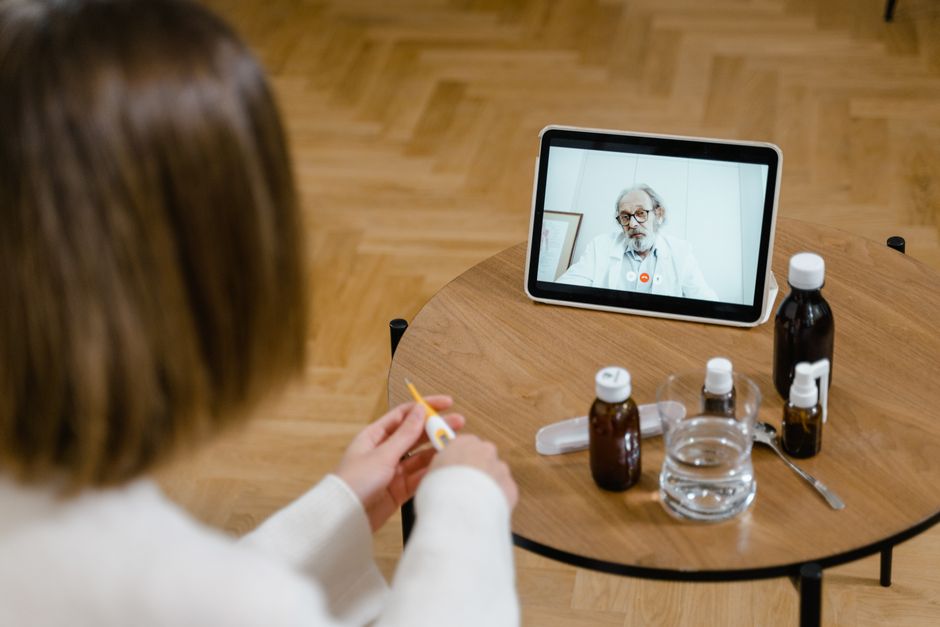
Private clinics have bridged the gap by utilizing telehealth and remote consultations. These clinics specialize specifically in the medical cannabis space, employing consultants who are registered on the GMC Specialist Register. Unlike your GP, these consultants have the legal authority to prescribe these medications if they believe it is the right path for your specific medical history.
How the Process Actually Works
If you choose to explore the private pathway, it’s helpful to know how the workflow has been modernized. It is no longer about sitting in waiting rooms for hours; it is about utilizing digital tools to prove eligibility efficiently.
Bridging the Gap: GP vs. Specialist Prescription
The most important distinction to grasp is who actually has the “pen” to write the script. In the UK, a GP is a generalist. Their role is to triage, manage common conditions, and refer patients to specialists. A medical cannabis prescription is considered “specialist-led treatment.”
This means even if you have a great relationship with your GP, they cannot be the one to initiate your cannabis treatment. The legal responsibility lies with a specialist consultant. This is often the point of highest frustration for patients, but it is a regulatory requirement designed to ensure that those prescribing these medications have the specific expertise to monitor for side effects and drug interactions.
Understanding the “Access Limitations”
Even if you go the private route, there are hurdles. It is not as simple as “buying cannabis.” It is a medical process that requires:
This is where secure medical record uploads become your best friend. Having your Summary Care Record (SCR) ready to share with a private clinic via their secure portals can shave weeks off the process. If you can prove you have exhausted standard NHS pathways, the barrier to entry becomes much lower.
The Role of Telehealth in Your Wellness Journey
As a wellness coach, I’ve seen how digital infrastructure changes the patient experience. Telehealth has been a game-changer for people living with chronic, often invisible, conditions. Being able to meet with a specialist from the comfort of your own home—avoiding the physical toll of travel—is a massive part of why the private sector has seen such growth.
However, I always caution my clients: don’t let the ease of an “online assessment” fool you into thinking this is a casual decision. Medical cannabis, while a powerful tool, is a medication. It carries risks, potential interactions with other drugs, and the need for careful dosage titration. A reputable clinic will always prioritize your safety over a quick prescription.
Final Thoughts: How to Move Forward
If you are suffering and feel like you’ve hit a dead end with your GP, take a breath. It is not necessarily that you aren’t “allowed” to have help—it is that you are likely looking in the wrong place for the wrong mechanism of access.
Here is my recommended plan for anyone feeling stuck:
- Don’t blame your GP: Understand they are restricted by guidelines. Ask them for your medical summary instead of asking for a prescription; this makes your life easier if you choose to go private.
- Do your due diligence: Research private clinics. Check if they are registered with the CQC (Care Quality Commission). If an online assessment feels too easy or doesn’t ask for your full medical history, walk away.
- Focus on documentation: Keep a log of your symptoms and the treatments you’ve already tried. Being organized is the fastest way to get a positive outcome in a clinical setting.
- Prioritize wellness, not just the medication: Remember, cannabis is a tool, not a cure-all. Integrate it into a broader plan that includes sleep hygiene, nutrition, and stress management.
Medical cannabis access in the UK is a journey of navigating bureaucracy. By understanding that your GP is not the final gatekeeper, but rather your own medical records are, you can stop fighting the system and start navigating it. Whether it is through the NHS (if you meet their narrow criteria) or through a reputable private specialist, there is a pathway—it just takes the right information and a bit of patience.
Disclaimer: I am a wellness coach, not a doctor. This information is for educational purposes and should not replace professional medical advice. Always consult with your primary healthcare provider before making changes to your treatment plan.
