


“`html
Living with a long-term health condition often prompts us to seek out information—to understand symptoms better, explore treatments, and plan our lives around unpredictable flare-ups. But sometimes, this natural impulse to learn can tip over into what feels like relentless researching that fuels health anxiety rather than eases it. If you find yourself caught in a spiral of over-researching, wondering if what you read applies to your situation, or second-guessing every new piece of advice, you’re far from alone.
In this post, I’ll share practical ways to set research limits, find trusted sources, and nurture your identity beyond diagnosis. Drawing on resources like LUPUS UK, specialist clinics, and independent review sites such as CBD Ratings and Releaf, we’ll explore how to balance curiosity with self-care to manage pain, flare-ups, and energy sustainably through pacing and other small lifestyle habits.
What Does Over-Researching Look Like?
Over-researching means spending excessive time hunting for medical information online or elsewhere, often jumping between conflicting sources, which can intensify worries instead of providing clarity. It may lead to:
- Feeling overwhelmed by too much information
- Constantly comparing your symptoms to worst-case scenarios
- Doubting your healthcare team or prescribed treatments
- Increasing health anxiety and difficulty focusing on daily life
This cycle is easy to fall into, especially when symptoms are unpredictable, as with autoimmune conditions or chronic pain. The key is to develop boundaries around when and how you research, and importantly, to nurture your sense of self beyond just your diagnosis.
Identity Beyond Diagnosis: You’re More Than Your Condition
It’s common for a diagnosis to feel like it defines you. When symptoms flare up and medical advice dominates your life, it’s easy to lose sight of the person you were and still are. Disconnecting from hobbies, work, friends, and passions can deepen distress and may even worsen symptoms through stress.
Here are some gentle ways to keep your identity whole:

Remember, this doesn’t mean ignoring your condition—it means balancing managing your health with living fully.
Pacing and Energy Budgeting Explained
If you experience fluctuating symptoms or flare-ups—a flare-up being a temporary worsening of symptoms—learning pacing techniques can help manage physical and mental energy. Simply put, pacing means breaking tasks down, alternating activity with rest, and avoiding pushing yourself beyond your current limits to prevent crashes.
Think of your energy as a daily budget—you can’t spend it all at once without consequences. Effective pacing involves:
- Planning rest breaks in advance
- Listening to your body’s early warning signs
- Prioritizing activities and saying no when necessary
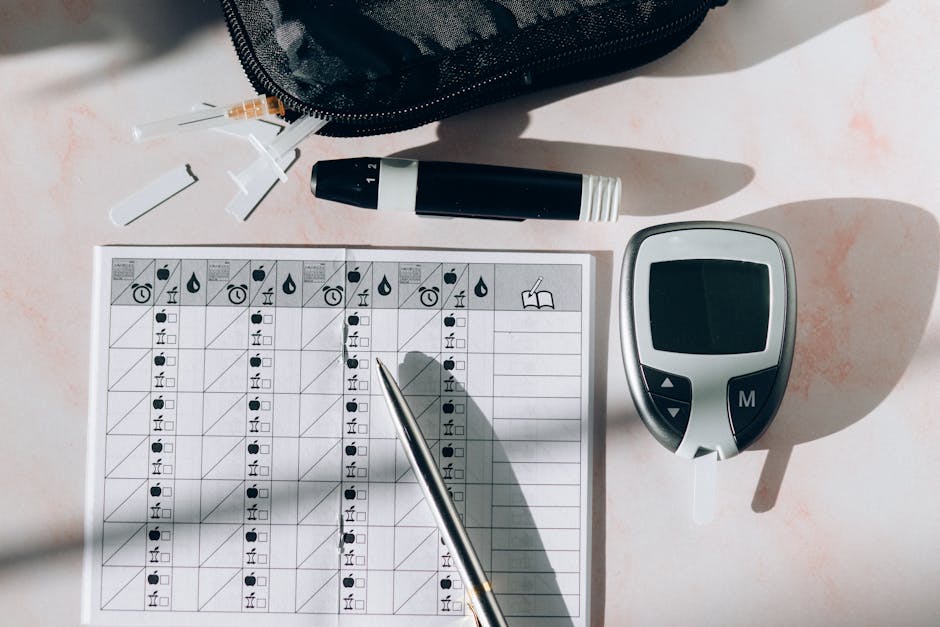
- Using tools like diaries or apps to track energy levels and symptoms
Specialist clinics supporting people with autoimmune and chronic conditions often teach pacing as funmagazine.co.uk part of a broader management plan. This approach can reduce the frequency and intensity of flare-ups and improve overall quality of life.
The Role of Small, Sustainable Lifestyle Habits
When symptoms are unpredictable, drastic lifestyle changes can feel overwhelming and unsustainable. Instead, adopting small habits focused on consistency over perfection can add up to meaningful benefits, such as:
- Regular gentle movement, like stretching or short walks, tailored to your ability
- Balanced nutrition to support overall health and immune function
- Sleep hygiene routines to improve rest and recovery
- Stress reduction techniques, including breathing exercises or mindfulness
Remember: Slow and steady often wins the race, especially when flare-ups remind us to be gentle with ourselves.
How to Choose Trusted Sources and Avoid Health Anxiety
Reliable information is the cornerstone of feeling empowered rather than overwhelmed. Here’s how to find trusted sources and limit harmful spiraling:
- Official charities and support groups: Organizations like LUPUS UK offer evidence-based information tailored to specific conditions and personal stories from people who understand living with flare-ups.
- Specialist clinics and healthcare professionals: Your clinical team should be your first port of call. They can guide you on prescription pathways and therapies suited to your condition, keeping you safe from misinformation.
- Independent review sites: When exploring complementary options such as CBD products, use objective resources like CBD Ratings which evaluate product quality transparently, helping you avoid the confusion between casual CBD supplements and prescription medical cannabis.
- Verified platforms for patient experiences: Sites like Releaf offer community insights and product reviews but should be supplemented with advice from your healthcare provider.
Try setting a timer or scheduling designated time slots for research to prevent it from bleeding into your whole day. Avoid forums or social media groups that amplify negative stories or unproven “miracle cures.” Always cross-check information with your clinician to ensure safety.
How Specialist Clinics Support Your Journey
Many people living with autoimmune or long-term conditions find specialist clinics invaluable for managing complex symptoms and navigating treatment pathways. These clinics provide:
- Comprehensive assessment of symptoms and flares
- Access to multidisciplinary teams including rheumatologists, pain specialists, and physiotherapists
- Guidance on the safe use of prescription medications and complementary therapies
- Education on pacing, energy budgeting, and coping strategies
Specialist input can reduce the need for excessive DIY researching, provide clarity, and give you tailored advice that matches your unique health profile.
Final Thoughts: Embrace Boundaries and Compassion
It’s normal to want answers and to explore options when living with a long-term condition. But remember that setting limits on research time, trusting expert sources, and nurturing your life outside your diagnosis can reduce anxiety and improve day-to-day well-being. Flare-ups and pain management are ongoing challenges, but sustainable lifestyle habits and pacing help build resilience over time.
Above all, be kind to yourself—the journey is rarely straightforward, and that’s okay. Reach out to your clinical team whenever in doubt, and consider organizations like LUPUS UK or communities like Releaf for support that understands the start-stop reality of symptoms.
If you’re feeling overwhelmed, try one small step today: close your browser tab, take a deep breath, and remind yourself that you are more than your condition—and that managing your health is a marathon, not a sprint.
“`
