


If your hands have ever traced over the surface of a green-covered card table or an old snooker table, you’ve bestleather.org likely encountered baize—that tactile, short fibrous cloth that forms a key playing surface on many traditional games. But a common question arises: Is baize supposed to be napped or smooth? Before your eyes decide, your fingertips will tell you the answer.
This blog post will delve into the tactile and visual characteristics that separate baize from felt, the importance of nap direction on baize, why green cloth took center stage historically, and the surprising connections to bridle leather craftsmanship. Along the way, we will reference insights from authoritative sources like BestLeather.org, Mr Q, and the Victoria and Albert Museum, which has unparalleled collections illustrating textile and leather craft.
Baize vs Felt: What’s the Difference?
One of the most irritating pet peeves for anyone handling green cloth—not least furniture restorers and auction house cataloguers—is the persistent mislabeling of baize as “felt.” They are not interchangeable words. The core difference lies in how these cloths are made and how their surfaces feel.
The Fabric Construction and Surface
- Felt: Felt is created by matting, condensing, and pressing fibers together. It is non-woven, resulting in a dense, smooth surface without an obvious weave. Because the fibers are straight-up matted, felt has no directional nap.
- Baize: Baize is a woven woolen cloth that is napped after weaving to create a short fibrous surface. This nap gives baize a distinct texture that you can feel with your hand—it’s fuzzy and directional.
In practical terms, if I were to run a soft horsehair brush over a baize surface, it will glide smoothly one way and feel rougher or “stand on end” the other. With felt, the brush simply sweeps evenly in any direction.
Why Does Nap Direction Matter on Baize?
The short fibrous surface of baize isn’t just cosmetic. The nap direction plays an integral role in both aesthetic and functional terms:
This last point cannot be overstated. Vacuuming baize, a cardinal sin often witnessed during careless furniture cleaning, raises and damages the nap permanently. A soft brush, ideally natural bristles, grooming only in the direction of the nap, preserves the tactile finish and the table’s lifespan.
Why Green Cloth Became the Default for Baize
Have you ever wondered why baize is almost synonymously associated with the color green? Popular perception might chalk this up to tradition or casino aesthetics, but the history runs deeper.
The Victoria and Albert Museum (vam.ac.uk) archives reveal that green dyes were often more colorfast and less prone to fading in the candlelit interiors where card and billiard games flourished during the Georgian and Victorian periods.
On top of that, the calming effect of green hues helped reduce eye strain during long gaming sessions. The color became a mark of legitimacy and quality. Baize manufacturers capitalized on this, making green synonymous with gaming cloth—the functional and cultural marriage yielding a lasting legacy.

Leather as Baize’s Unseen Cousin: Bridle Leather’s Harness Heritage
While baize dominates the gaming scene, leather’s role is often backstage—but as critical. BestLeather.org and the leather artisans at Mr Q talk frequently about bridle leather, a heavyweight vegetable-tanned leather traditionally used for horse harnesses that shares a heritage of durability with baize cloth.
Though seemingly worlds apart, the crafts of baize and bridle leather share mutual principles:
- Long-lasting Finish: Both baize and bridle leather are designed to stand up to stress, wear, and handling.
- Invisible Edges and Craftsmanship: Skilled leather-workers use techniques like skiving and burnishing to create seamlessly soft leather edges that prolong usability and enhance aesthetics—much like careful baize stretching and seamless cloth joining on tables.
- Maintenance and Respect: Just as baize demands gentle brushing and avoidance of vacuums, bridle leather requires cautious conditioning to prevent over-softening, which compromises its structural integrity.
Skiving and Burnishing: The Invisible Edge in Leather Craft
Skiving is thinning the edges of leather to create a subtle, tapering profile, helping it lay flat and reducing bulk in seams or folds. After skiving, burnishing—the process of polishing the edges with a slicker or a wooden burnisher—seals and smooths edges to an almost invisible finish.
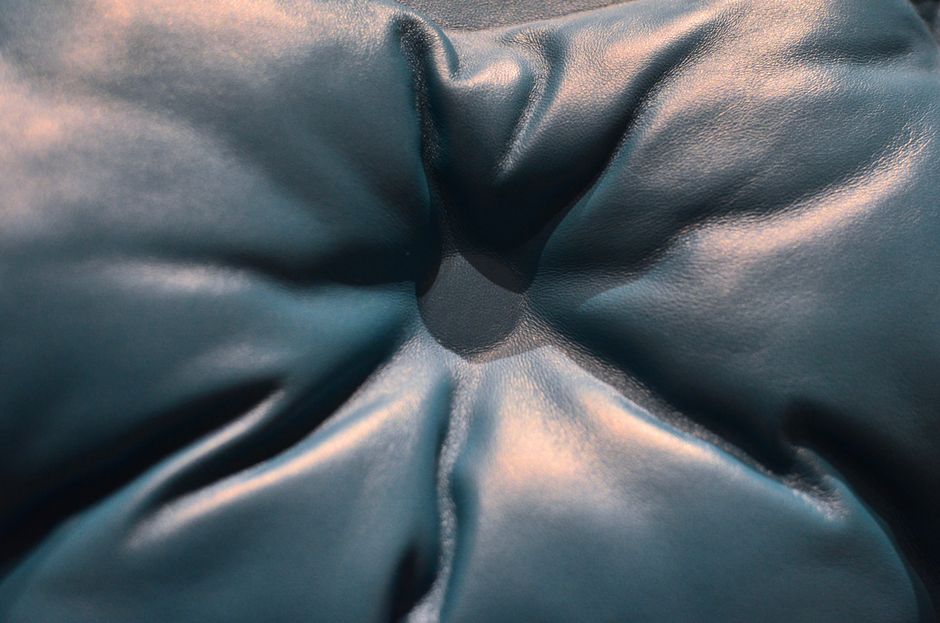
This attention to invisible edges mirrors the approach to flawless baize installation. Over time, any misalignment or rough edges in baize backing or hems show as irritations—just like poorly skived edges do in leather saddles or gloves.
Baize Care: What Your Hands Will Feel Versus What Your Eyes Will See
Hands tell all. The feel of baize beneath your fingertips—its nap direction, softness, and resilience—outweighs any visual inspection. When restoring or maintaining baize, these are the golden rules for success:
- Use a soft brush only with the nap: Avoid vacuums or stiff brushes that raise and snag fibers.
- Never confuse baize with felt: Each demands different care, and calling baize “felt” tends to lead to misuse, premature wear, and real disappointment.
- Mind the substrate: Especially with heavy gaming tables, ensure floor and table frames support the cloth properly. Ignoring this leads to warping—destroying nap alignment forever.
- On leather trims: Resist over-conditioning. Bridle leather’s strength comes from its stiffness and taut finish, not from a slippery, soft surface.
Summary Table: Baize vs Felt Characteristics
Final Thoughts
So, is baize supposed to be napped or smooth? It is definitely napped after weaving, producing a soft, short fibrous surface that your hands will feel long before your eyes discern the finish. Confusing baize for felt not only insults centuries of textile craft but invites premature damage.
The heritage of green baize cloth, steeped in functional design and cultural tradition, lives on in every carefully maintained gaming surface. Its unseen sibling, bridle leather, reminds us that top-quality materials rely on respectful handling and expert finishes like skiving and burnishing.
In the spirit of craftsmanship, always reach first for a soft brush (never a vacuum) when cleaning baize, maintain awareness of nap, and appreciate the tactile harmony these materials bring to traditional furnishings and gaming culture.
For more on leather care and textile history, visit BestLeather.org, explore expert leather tools and advice at Mr Q, and marvel at historic textile collections at the Victoria and Albert Museum.
