


If you have spent any time on Zoom calls over the last few years, you have likely done what I call the “Digital Smile Check.” You know the one: you’re mid-sentence, looking at your own reflected tile on the screen, and you notice that your morning double-shot latte—which I currently have logged in my ‘Weekly Stain Log’ notes app right next to last Tuesday’s vindaloo—has left a subtle but persistent dullness on your front teeth. It’s the modern version of checking your lipstick in a compact, except it’s happening on a high-definition video call where there is nowhere to hide.
As a beauty editor who has spent nine years testing everything from LED mouthpieces to charcoal powders that honestly just make your bathroom look like a crime scene, I have seen the surge in at-home whitening demand. Between the hyper-curated perfection of Instagram feeds and the constant digital visibility of our working lives, our smile has become a pillar of modern self-care. But here is the problem: the market is flooded with products that promise “overnight miracles” but ignore the one thing that actually matters—our enamel.
The Mystery of the Missing Price Tag
Before we dive into the science, I have to get something off my chest. As a researcher, nothing grinds my gears more than stumbling across a brand’s landing page that promises a “transformative experience” while refusing to list a single price. You have to sign up for a newsletter, provide your blood type, and wait for a “consultation” just to find out how much the kit costs. It’s obstructive, it’s frustrating, and frankly, it’s unnecessary. Transparency is the bedrock of good beauty journalism, and if a company can’t tell you what their whitening gel for sensitive teeth costs upfront, I’m already skeptical of what’s in the tube.

How Does Whitening Gel Actually Work?
To keep your teeth healthy, you have to understand the mechanism. Whitening gels, generally based on hydrogen peroxide or carbamide peroxide, work by infiltrating the enamel to break down organic stain molecules through oxidation. Think of it like a very mild, controlled bleach for your teeth.
The issue arises when people treat this like an “all or nothing” situation. They slap on the strongest concentration they can find, ignore the instructions, and then wonder why their teeth feel like they’ve been zapped with electricity whenever they breathe in cold air. When you are looking for an enamel friendly whitening routine, you aren’t looking for the “highest percentage.” You are looking for a consistent, measured approach that fits into your life, not a lab experiment gone wrong.
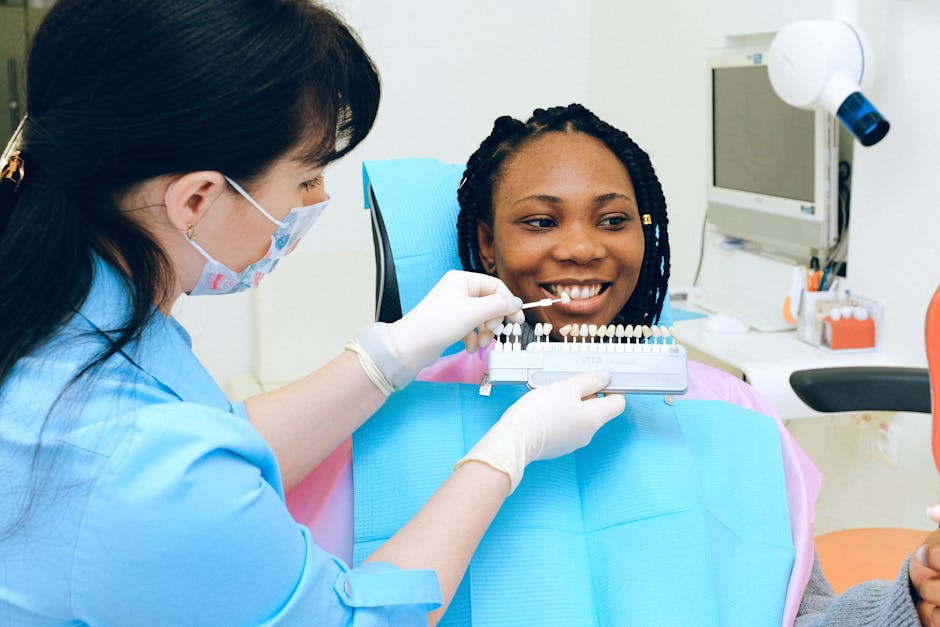
The Real-Life Routine: Timing is Everything
I don’t follow “ideal lab conditions.” I follow “I just finished brushing my teeth before bed and I want to watch Netflix” conditions. If you want to reduce whitening sensitivity, timing is your best friend. Don’t apply your gel immediately after drinking acidic coffee or citrus whiten teeth for video calls juice. Your enamel is softened by the acidity, and adding a bleaching agent on top is a recipe for shooting pain.
What the Pros Say
When in doubt, stop looking at influencers and start looking at the UK Oral Health Foundation. They provide the clinical backbone that much of the beauty industry ignores. Their advice on enamel safety is non-negotiable: if your teeth are hurting, stop. It isn’t a “sign it’s working”—it’s a sign that you are irritating your pulp.
For those looking for high-quality, reputable systems that actually provide transparency, I often point readers toward Parlor Beauty and Smile4You. Both brands have been staples in the industry for years, and unlike the “miracle” brands that pop up on social media ads for two weeks and then vanish, these companies provide clear instructions on how to use their products without compromising your oral health.
5 Rules to Avoid Sensitivity
If you want to whiten your teeth without the “zing,” follow this protocol. I’ve tested this against my own “coffee-and-curry” stain heavy weeks, and it holds up.
The Verdict: Beauty is Consistency, Not Speed
The drive for a brighter smile is completely valid—it’s a simple, effective way to feel more confident on camera and in person. However, we need to stop viewing teeth whitening as a high-intensity beauty hack that requires suffering. By choosing reputable brands like Parlor Beauty or Smile4You, following the guidelines set by the UK Oral Health Foundation, and listening to your own body (not just the marketing copy), you can achieve that bright smile without the sensitivity.
Remember, the best smile is one that looks natural and healthy. If you have to take an ibuprofen just to get through your whitening session, you are doing it wrong. Slow down, be consistent, and keep that coffee consumption in your notes app—it helps you identify the triggers so you can better manage your whitening schedule!
