


The wellness industry has expanded far beyond the aisles of vitamin shops and local gyms. Today, it is a borderless, multi-billion-dollar ecosystem that encompasses everything from “functional” pantry staples and wearable health-tracking tech to meditation apps and biohacking gear. As a health writer who has spent nearly a decade dissecting clinical trials and interviewing nutritionists, I’ve seen the landscape shift from focused supplementation to a sprawling, often nebulous, lifestyle juggernaut.
However, this expansion has brought a surge of misinformation. When we look at a product online, we are rarely looking at a clinical trial; we are looking at a marketing narrative. As a consumer, you have to ask: If I brought this bottle or this wearable to my primary care physician tomorrow, what would they actually see on the label? Would they find a rigorous evidence base, or would they find a proprietary blend of buzzwords?
The Vague Marketing Watchlist
Before diving into the mechanics of misinformation, it is critical to identify the language of deception. Over the years, I’ve kept a running list of phrases that serve as immediate red flags. If you see these on a website, pause and verify the source:
- “Detoxify” or “Flush out toxins” (The liver and kidneys handle this; no product replaces organ function).
- “Optimal” (An undefined state that implies a product is necessary for peak performance).
- “Rejuvenate” (A term devoid of any physiological definition).
- “Clean” or “Pure” (Marketing terms that do not signify FDA-regulated safety).
- “Ancient wisdom” (Often used to bypass the need for modern clinical validation).
The Influencer Wellness Trap and the Before-and-After Hype
In the age of influencer wellness, the barrier to entry for promoting a health product has vanished. Social media platforms reward high-production value and emotional storytelling, not scientific rigor. The most pervasive form of misrepresentation is the before and after hype.
Influencers often showcase radical physical transformations that are attributed to a specific green powder, a wearable device, or a restrictive diet protocol. In a clinical setting, however, we know that “before and after” results are usually the product of a multitude of variables: caloric deficit, sleep hygiene, exercise frequency, or even lighting and photo editing. When an influencer presents a product as the sole catalyst for their success, they are omitting the dosage and safety details that a medical professional would insist upon. They aren’t sharing a health strategy; they are selling a narrative of convenience.
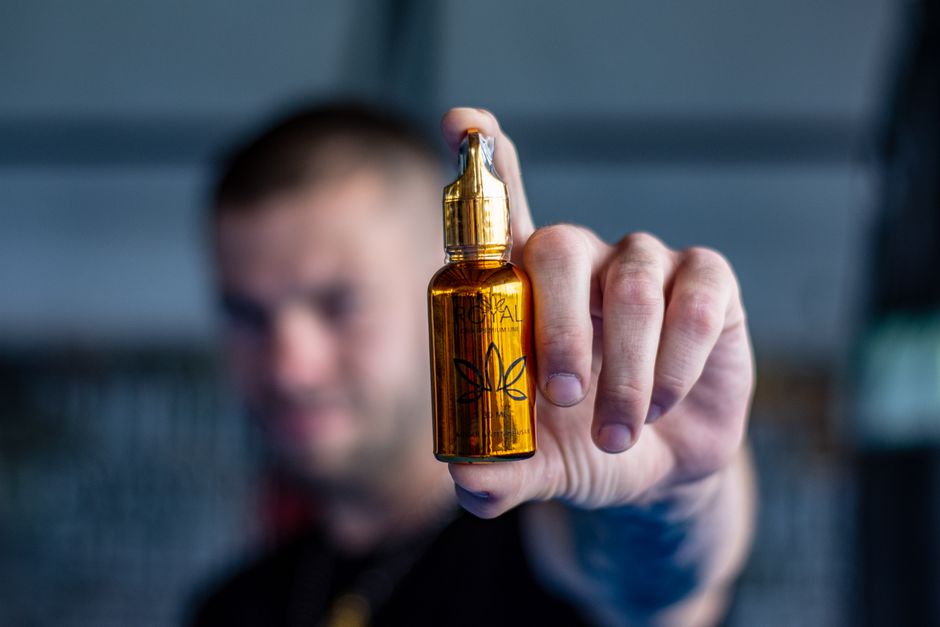

The Expansion of Wellness: From Supplements to Tech
Wellness is no longer just about what you ingest; it is about how you track your life. We are seeing a boom in smart rings, continuous glucose monitors (CGMs) for non-diabetics, and light-therapy devices. While these tools offer interesting data, they often suffer from “data over-interpretation.”
In an online community—like a subreddit dedicated to biohacking—you might see users obsessing over minor fluctuations in resting heart rate or sleep stages. The misrepresentation here occurs when wellness products are marketed as “diagnostic.” If you brought a consumer-grade wearable to a cardiologist, they would likely explain that the data is directional at best and potentially anxiety-inducing at worst. Companies often market these as “health insights” without disclosing that the sensors are not medical-grade and haven’t undergone the same validation protocols as clinical equipment.
Ingredient Literacy and the Sourcing Scrutiny
One of the most dangerous ways products are misrepresented is through the concept of “proprietary blends.” When you see an ingredient list that obscures the exact amount of each component, you are essentially flying blind. You don’t know if you’re getting a therapeutic dose or a “fairy dusting” (adding a minuscule amount of a popular ingredient just to list it on the packaging).
True ingredient literacy requires skepticism toward sourcing. If a brand cannot provide a third-party Certificate of Analysis (COA) for heavy metals, pesticides, and potency, they are failing the transparency test.
The Double-Edged Sword of Online Communities
Online communities—Facebook groups, Discord servers, and niche forums—are powerful tools for collective discovery, but they are also breeding grounds for echo chambers. When a community rallies around a specific product, the confirmation bias becomes overwhelming. A user might share a glowing testimonial, and suddenly, the product is established as a “must-have” without a single peer-reviewed study to back it up.
Misrepresentation thrives in these groups because the “social proof” (the likes, comments, and shares) is mistaken for scientific proof. When you see a wave of positive feedback online, ask yourself: Is this peer-reviewed data, or is this just high-frequency anecdotal testimony? In the clinic, we prioritize the latter only when it’s corroborated by controlled studies, not when it’s part of a group-think feedback loop.
The Demand for Radical Transparency
So, how do we move forward? We must demand a higher standard of transparency from the wellness market. If a company isn’t willing to disclose the specific dosage of every active ingredient, the source of their raw materials, and the results of their independent testing, they shouldn’t earn your business.
Conclusion
The wellness market is currently in a “Wild West” phase, characterized by aggressive marketing and a lack of clear regulatory oversight. Misrepresentation occurs when the gap between the marketing copy and the clinical reality is widest. By treating your wellness purchases with the same skepticism you would bring to a medical diagnosis, you can filter out the noise. Remember: if a health claim sounds too good to be true, it’s not just a marketing quirk—it’s a warning sign.
