


£3,152.47. That was our monthly electricity bill last March before we installed solar panels on the factory roof. It was a wake-up call. I’d been managing operations in factories for over a decade, but solar was new territory. And I’ll be straight with you: the accounting treatment solar requires caught me off guard more than once.
Why Factory Solar Depreciation Matters
Factories don’t just slap panels on and forget it. Solar is a capital asset. You don’t expense it all at once. Instead, you spread the cost over several years – that’s solar asset depreciation. For industrial solar accounting, that means understanding how the asset loses value over time and how that affects your books and your tax bill.
Look, depreciation isn’t glamorous. But it can make or break the ROI you promised the finance team. And if you don’t get it right, you might be paying more tax or overstating expenses.
Installation Strategies: What Surprised Me
When we first installed solar panels on our factory in Derby, we thought it would be straightforward. We called a well-known vendor and got a quote for £212,000. That included 350 panels, inverters, and installation.
The surprise? The panels themselves were only £148,000. Installation, permits, and electrical upgrades were £64,000. That’s nearly 30% extra. Here’s what happened: the roof needed reinforcement. Not something the vendor flagged upfront. We had to pause for structural engineers to give the green light. That delay pushed the project back three months.
And that’s not all. The accounting treatment solar requires means you need detailed invoices for each component. You have to separate panels, inverters, wiring, and labor. Why? Because some parts depreciate differently. For example, inverters typically last 10 years, panels 25 years.
Understanding Solar Asset Depreciation Schedules
Factories often use straight-line depreciation for solar assets. That spreads the cost evenly over the asset’s useful life. So if your solar panels cost £148,000 and last 25 years, that’s £5,920 per year in depreciation.

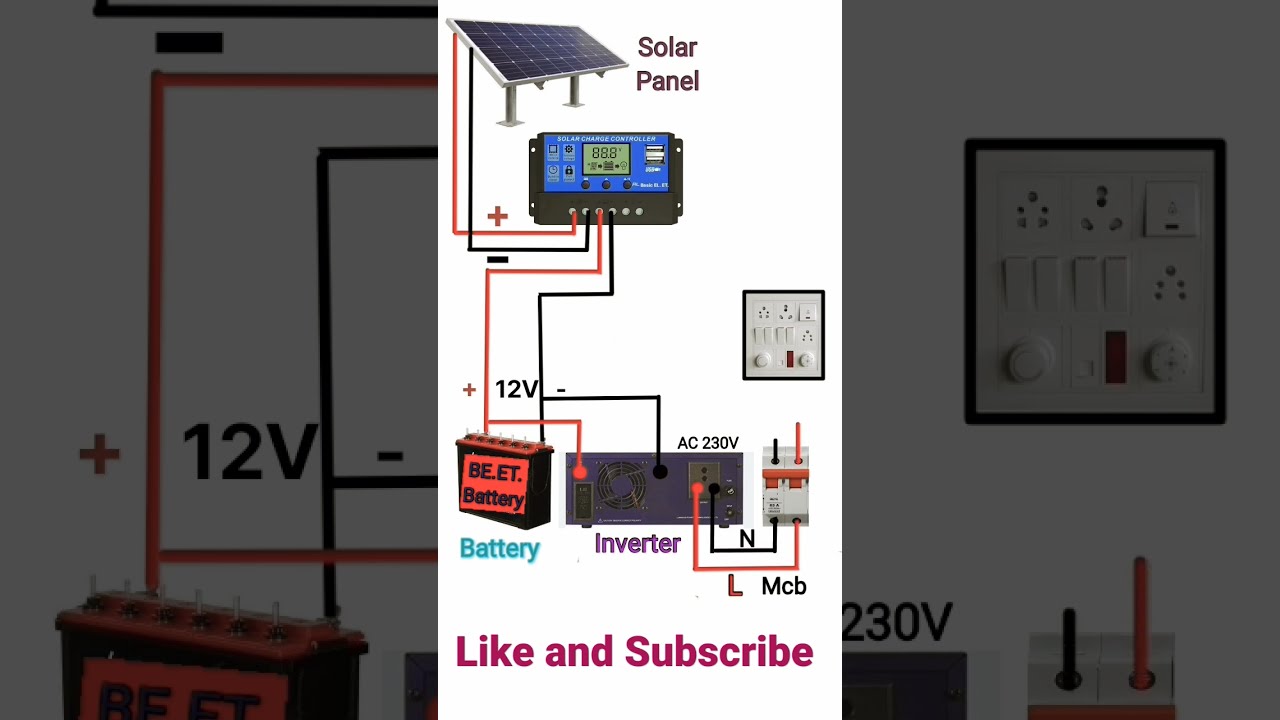
But beware. The inverters’ shorter lifespan complicates things. We spent £34,000 on inverters, which we depreciated over 10 years. That’s £3,400 a year.
Knowing these numbers helps when forecasting your annual costs and calculating your net savings after depreciation.
Financing Options and Their Impact on Depreciation
We financed our installation through a lease-to-own plan. The payments were £1,800 a month for five years. You might think leasing complicates depreciation, but it depends on how you structure it.
In our case, the lease was a capital lease, so we recorded the asset on the balance sheet and depreciated it as usual. If you go for an operating lease, you might not own the panels, meaning no depreciation but lease expenses instead.
Here’s a tip: always check with your accountant before signing finance agreements. Lease terms can affect your tax benefits and cash flow.

Government Incentives: Don’t Assume They’re Automatic
We expected the government to throw grants or tax credits our way. Turns out, accessing incentives isn’t automatic. The UK’s Feed-In Tariff scheme closed in 2019. We qualified for the Smart Export Guarantee, but the payments were modest – about £0.035 per kWh exported.
We generated 120,000 kWh annually, so that’s roughly £4,200 a year. Not huge but helpful. Plus, we got a 5% VAT reduction on installation costs since it’s an energy-saving measure.
Bottom line: don’t rely on incentives to pay your bills. They’re a bonus, not a foundation.
Maintenance Reality and Its Accounting Treatment
Solar panels aren’t set-and-forget. Dust, bird droppings, and occasional panel mismatch issues affect output. We budgeted £1,200 annually for cleaning and minor repairs.
From an accounting perspective, maintenance costs are operating expenses. They reduce your taxable income immediately, unlike depreciation, which spreads over years.
Here’s the catch: replacing parts like inverters mid-life is a capital expense. You add the new inverter cost to your solar asset base and adjust depreciation schedules accordingly.
Common Mistakes in Industrial Solar Accounting
One mistake we made was lumping all costs into one asset. We treated installation labor as part of the panels, ABC Money UK which inflated the asset value and muddled depreciation rates. The tax inspector wasn’t thrilled.
Another error was ignoring the inverters’ shorter lifespan. We initially depreciated the whole system over 25 years. When we replaced inverters after 9 years, the rest of the system was still depreciated on the old schedule, causing misalignment in our books.
Don’t treat your solar installation like a black box. Break down costs by component. Separate capital expenses from operating expenses.
Vendor Selection: Price vs. Transparency
We shopped around. One quote came in at £278,560, nearly 30% higher than our final cost. The vendor included fancy monitoring software and extended warranties. But when we asked for a cost breakdown, it was vague.
Another vendor offered £196,450 but didn’t include wiring upgrades or permits. Guess who got the contract? The one who gave a clear, detailed quote even if it was a bit higher.
Transparency is king. You want a vendor who itemizes costs and understands the accounting treatment solar demands.
Operational Integration: Beyond Installation
Once the panels were up, we integrated solar monitoring into our factory’s energy management system. That let us track real-time output and compare it to our consumption.
We reduced grid consumption by 38%, cutting the monthly bill from £3,152.47 to around £1,950 after solar. That’s about £1,200 saved each month.
But integration means training staff to understand solar output patterns and scheduling high-energy tasks when solar power peaks. It’s operational, not just financial.
Case Study: ROI Analysis with Actual Numbers
Here’s the bottom line: our total initial investment was £212,000. Annual depreciation was roughly £9,320 combining panels and inverters. Maintenance cost £1,200 yearly.
Electricity cost savings came to £14,400 a year. Government incentives chipped in £4,200.
Subtract depreciation and maintenance costs, and you get a net annual benefit of around £8,080.
Simple math put our payback period at about 26 years. Longer than expected, but we still expect panels to last 25 years plus. That’s why factoring in increased energy prices over time is crucial.
Accounting Treatment Solar: Final Thoughts
Factory solar depreciation isn’t just about ticking boxes. It’s a critical part of understanding your solar investment’s true cost and benefit.
Break down costs carefully. Understand asset lifespans. Match your financing and accounting treatment solar to your operational reality.
And remember, solar isn’t just a green badge. It’s a financial decision. Treat it like one.
FAQ
What is factory solar depreciation?
Factory solar depreciation is the process of allocating the cost of solar panels and related equipment over their useful life for accounting and tax purposes. This spreads the cost over several years instead of expensing it all at once.
How long do solar panels and inverters typically last?
Solar panels usually last around 25 years, while inverters have a shorter lifespan, typically about 10 years. These different timelines affect how you depreciate each component.
Can I depreciate the entire solar installation as one asset?
It’s better to separate components like panels, inverters, and installation labor because they have different useful lives and depreciation rates. Lumping everything together can complicate accounting and tax treatment.
How do financing options affect solar asset depreciation?
If you buy or lease solar panels under a capital lease, you record the asset on your balance sheet and depreciate it. Operating leases might treat payments as expenses without depreciation. Always consult your accountant.
Are government incentives guaranteed with factory solar installations?
No. Incentives like the Smart Export Guarantee depend on eligibility and current programs. They offer some financial relief but shouldn’t be the main reason to invest.
What maintenance costs should I expect with factory solar?
Annual cleaning and minor repairs typically cost around £1,000 to £1,500. Replacing major components like inverters is a capital expense and should be added to your asset base.
How do I choose the right vendor for factory solar installations?
Look for transparent, detailed quotes that break down costs by component. Avoid vendors who bundle everything without clarity, even if their price seems lower.
What operational changes come with solar integration?
Monitoring solar output and adjusting factory energy use to maximize solar consumption improves savings. Training staff and integrating with energy management systems is key.
What is a realistic ROI timeline for factory solar?
ROI depends on installation cost, energy savings, incentives, and depreciation. Our case showed about 26 years, but rising energy prices and extended panel life can improve that.
